


I’m writing this from the tail end of the CSTC Super Seminar in Reno, where I taught sessions on innocent spouse relief and on responding to IRS notices. Both rooms were full of practitioners asking great questions, which is my favorite kind of room. Innocent spouse remains one of the most misunderstood corners of representation work, and understanding how to respond to IRS notices is crucial to today’s tax practice.
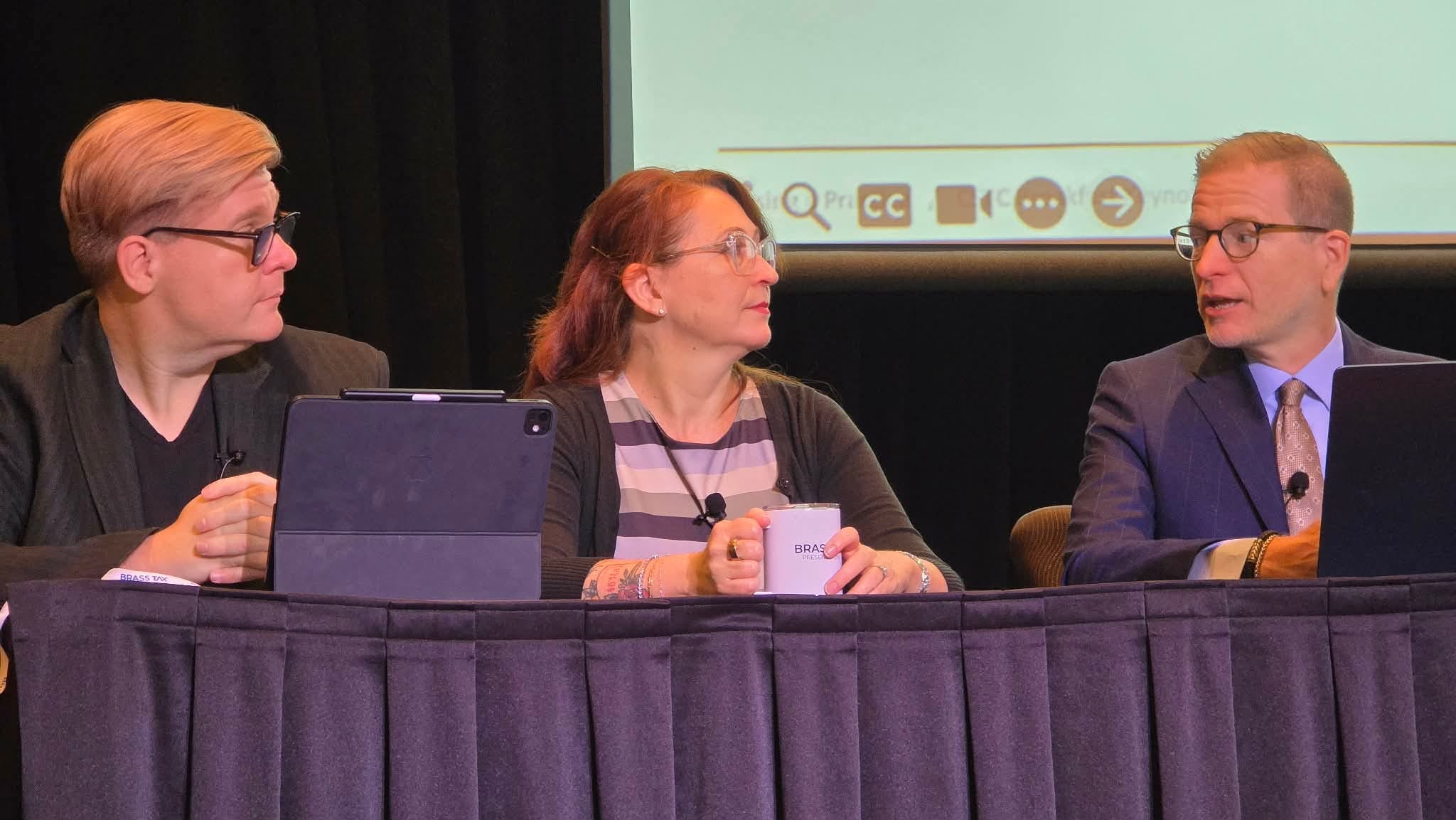
The highlight, though, was sitting on a panel with Tom Gorczynski, EA, USTCP, and Shannon Hall, EA, USTCP Elect (awaiting admission), talking about something most of us avoid thinking about until it’s too late: closing your practice, and what it takes to build a firm somebody would actually want to buy. In short, don’t die at your desk. That’s not a plan.
Your firm is probably not sellable. Yet.
Here’s the uncomfortable truth we kept circling back to on that panel: most tax practices aren’t businesses. They’re jobs with letterhead. The value walks out the door every night, drives home, and repeats it the next day. If the firm only works because you personally are in it, you don’t have an asset. You have a very demanding hobby that pays you.
A sellable firm looks different. It has documented processes, so the work doesn’t live in one person’s head. It has recurring revenue that isn’t tied to a single personality. It has clean books, organized client files, engagement letters that actually exist, and a team (even a small one) that can function when the owner is at a conference in Reno. It has clients who are loyal to the firm, not just to you.
And here’s the part that matters even if you never plan to sell: every single one of those things makes your practice better to own right now. Less chaos. Fewer fires. The ability to actually take a vacation. Building a sellable firm and building a livable firm turn out to be the same project.
If you do nothing else this year, write down how you do the three things you do most often. That’s the start.
Tom and Shannon were, as always, sharp and had a wealth of information. Panels (with the right people) are one of my favorite things to do. It allows you to have a dialogue between everyone, including the audience.
Now for the thing I’m ecstatic about
For the past several months, Tom and I have been building something together, and on Monday, we’re finally announcing it.
AskTom (asktomg.ai) launches Monday, June 15. We’re doing a live launch event on Zoom, and you’re invited:
AskTom Launch Event Monday, June 15 at 1PM PDT. - Register here

AskTom is an AI tax research assistant built specifically for tax professionals. Not a chatbot with opinions. A research tool with receipts.
Why this is different from asking ChatGPT or Claude a tax question
I know what some of you are thinking, because I’ve heard it in the hallway at every conference this year: “Can’t I just ask Claude or ChatGPT?”
You can. And sometimes it’ll be right. The problem is you won’t know when it isn’t, and “the AI told me so” is not a position you want to defend in an exam or in front of Appeals or worse yet, Tax Court.
Here’s what we built differently:
It only reads the real authority. AskTom works from a curated corpus of primary sources: the Code, Treasury regulations, court opinions, and IRS guidance. It isn’t trained on Reddit threads and SEO blog posts about “tax hacks.”
Every claim comes with a citation. Not a vague gesture toward “IRS rules.” An actual pinned citation you can click, read, and verify yourself. If you can’t trace it to authority, you shouldn’t be relying on it, and neither should your software.
It knows the hierarchy of authority. A Code section, a regulation, a Tax Court opinion, and an IRS FAQ do not carry equal weight, and AskTom is built to respect that. General AI tools treat them all as equally true sentences on the internet.
Your client data never enters the pipeline. Research questions, not client files.
The framing I keep coming back to is Circular 230. Our job as practitioners is to exercise due diligence and make informed judgments. AskTom doesn’t replace that judgment; it gets you to the relevant authority faster so you can apply it to your client’s facts. The research gets faster. The responsibility stays yours. That’s exactly how it should work. It will make you a better tax practitioner.
Trusted commentary kept in its lane.
And it is affordable
The big research platforms can be wonderful, and they’re also priced for firms with a partner track and a holiday party budget. Most of the practitioners I know are solo or small-firm, and they’re making do with Google/Claude/ChatGPT and a “prayer”.
AskTom is priced for actual working practitioners. For most of us, that’s less than one billable hour a month for a tool you’ll use often.
I hope to see you there!